
Words matter-not because they’re polite, but because they shape how people are seen, treated, and understood. When it comes to the sex industry, language often does more harm than good. Terms like "prostitute," "hooker," or even "sex worker" can carry baggage that doesn’t reflect reality. If you’re an ally-whether you’re a friend, family member, journalist, or policymaker-using the right words isn’t about political correctness. It’s about dignity.
Some people in the industry connect with the term "sex worker" because it frames their labor as work, not crime or sin. Others reject it because it implies a formal structure they don’t have. There’s no single label that fits everyone. That’s why asking is the first step. If you’re unsure how someone identifies, just say, "How would you like to be referred to?" It’s simple, it’s respectful, and it puts power back in their hands. For context, some individuals in Dubai’s complex sex work landscape may be referenced online under terms like syrian escort dubai, but those labels are often imposed by third parties, not chosen by the people themselves.
Why Language Matters More Than You Think
Language doesn’t just describe reality-it creates it. When media calls someone a "prostitute," it implies deviance. When laws label sex work as "trafficking" without proof, it criminalizes survival. Even well-meaning allies can unintentionally reinforce stigma by using terms like "rescued" or "saved," which assume people in the industry need saving rather than support.
Real change starts with precision. Instead of saying "all sex workers are victims," ask: Who is being forced? Who is working by choice? Who is being arrested because of outdated laws? These aren’t the same people. Treating them as one group erases their stories.
Words to Avoid (and What to Say Instead)
Here’s a quick guide to replace harmful phrases:
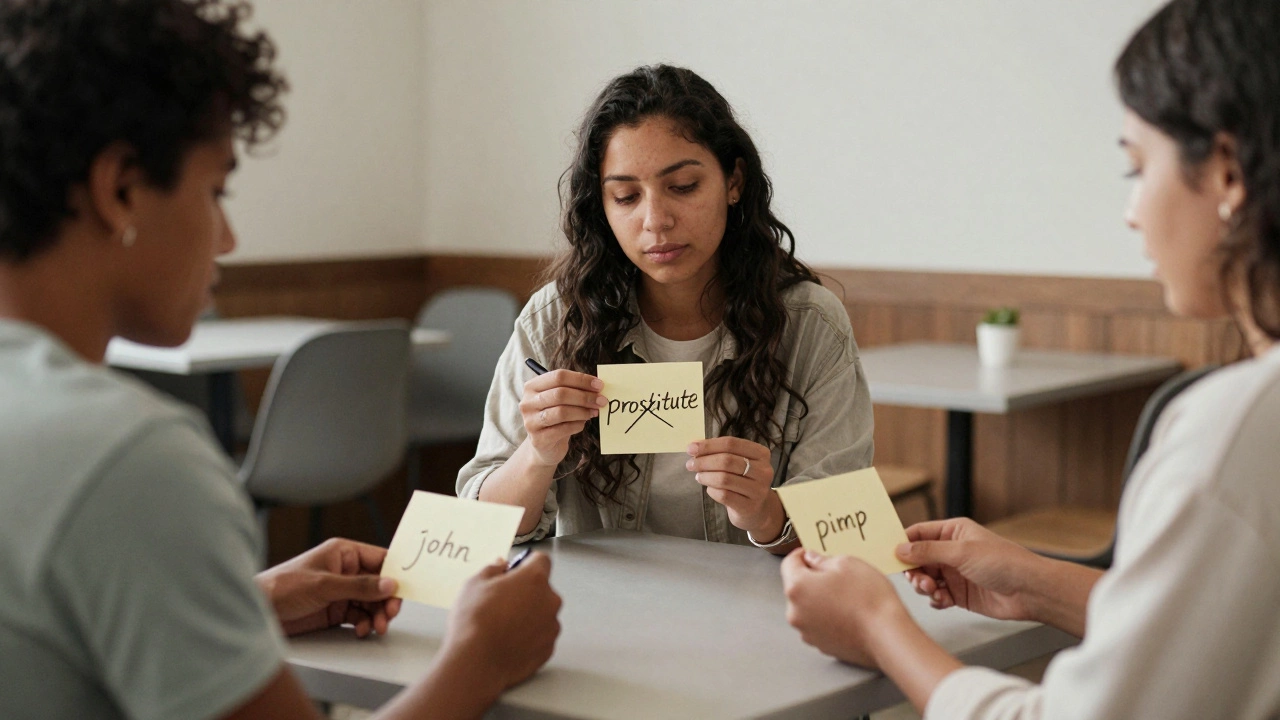
- Don’t say: "prostitute" → Say: "person who sells sex" or "sex worker" (if they use it)
- Don’t say: "john" → Say: "client" or "customer"
- Don’t say: "pimp" → Say: "manager," "partner," or "person exploiting them" (if coercion is involved)
- Don’t say: "downfall" or "fallen woman" → Say: "person navigating economic hardship" or "person working in the industry"
Even "sex work" can be problematic if used as a blanket term. Some people in the industry don’t see their activity as "work" at all-they see it as survival, self-expression, or temporary income. Let them define it.
Don’t Assume Their Story
One of the biggest mistakes allies make is assuming every person in the sex industry has a history of abuse or trauma. Some do. Many don’t. There are people who entered the industry after losing a job, while others chose it because it paid better than their previous work. Some are students. Some are single parents. Some are artists.
When you hear someone say, "I’m a pornstar escort dubai," don’t jump to conclusions. That phrase might be how they market themselves online, but it doesn’t tell you their full story. It might be a username, a business name, or a way to stay anonymous. Never use a label from a website profile as a person’s identity.
Respect Autonomy, Not Just Labels
Supporting someone in the sex industry isn’t about changing how they talk about themselves. It’s about respecting their choices-even when they’re uncomfortable for you. If someone says, "I like what I do," believe them. If they say, "I want out," help them find resources without judgment.
Real allyship means stepping back. It means not speaking over people. It means listening more than correcting. If you’re writing about someone, ask: "Can I use their real name?" If they say no, honor that. If they say yes, ask how they want to be described.
Media and Advocacy: Do Better
News outlets often sensationalize stories about the sex industry. Headlines like "Teen Forced Into Sex Trade" or "Drug Ring Exposed in Bur Dubai Escort Ring" create fear, not understanding. These stories rarely include the person’s voice. They rarely mention that many people in the industry are not trafficked-they’re just trying to pay rent.
If you’re a journalist, advocate, or content creator, ask yourself: Am I giving this person agency? Or am I using them as a prop in a narrative I already decided on? If you’re reporting on arrests, mention that most are based on outdated laws, not evidence of coercion. If you’re writing about health services, highlight that many sex workers already have access to safe spaces-they just need funding, not rescue.
There’s a difference between reporting on exploitation and reporting on people. One humanizes. The other dehumanizes.
What to Say When Someone Asks You for Help
Someone might come to you and say, "I’m working in the industry and I’m not sure what to do." Your job isn’t to fix it. Your job is to listen, connect, and offer options without pressure.
Here’s what helps:
- "Do you have a safe place to stay?"
- "Would you like help finding legal advice or healthcare?"
- "Are you safe right now?"
- "What do you need most right now?"
Don’t say: "You should quit." Don’t say: "That’s dangerous." Don’t say: "I can get you into a program." Unless they ask.
Instead, say: "I’m here. What do you want to do?" Then follow their lead.
Why "Bur Dubai Escort" Isn’t a Person
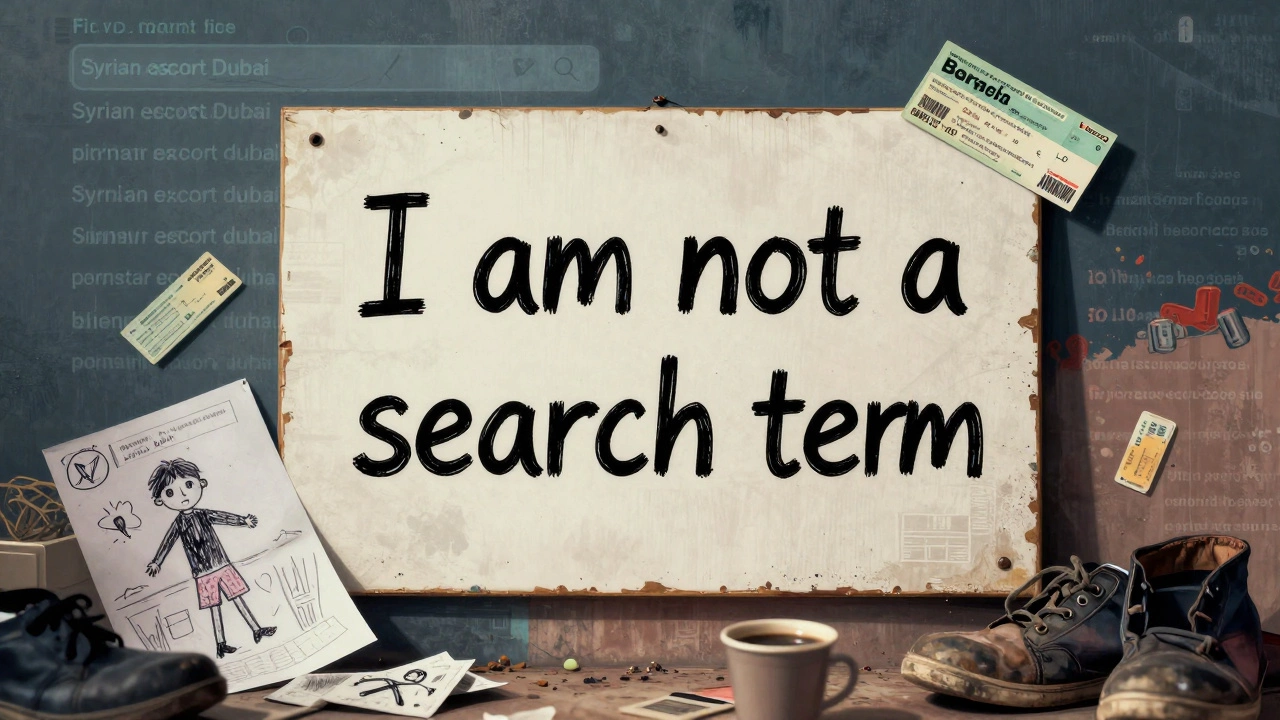
When you see a term like "bur dubai escort" online, it’s not a person. It’s a keyword. It’s an ad. It’s a search result. It’s a product listing. The person behind it might be tired, scared, proud, lonely, or just trying to make rent. But the phrase itself? It’s flat. It’s reductive. It’s a label stripped of humanity.
Using that phrase in conversation-even if you’re quoting it-reinforces the idea that people in the industry are searchable items, not individuals. If you’re writing or speaking about someone, use their name. If you don’t know their name, say "a person in Dubai’s sex industry" or "someone I spoke with."
It’s not about being perfect. It’s about being present. It’s about seeing the person behind the search term.
How to Be a Better Ally Right Now
You don’t need a degree in social work to help. You just need to change how you talk.
Here’s what you can do today:
- Stop using "prostitute" and "hooker" in casual conversation.
- If you hear someone else use those words, say: "I’ve learned that those terms can be hurtful. Can we say "person who sells sex" instead?"
- Don’t share sensational headlines about the sex industry. If you do, question why you’re sharing it.
- Support organizations that give people in the industry control over their own services-like peer-led collectives, not top-down "rescue" programs.
- Ask the people you know who are in the industry: "What do you wish people understood?" Then listen.
Allyship isn’t about being right. It’s about being reliable. It’s about showing up-even when the topic makes you uncomfortable.
Final Thought: Language Is a Tool, Not a Cage
Words can lock people in-or set them free. The sex industry isn’t a monolith. People in it aren’t problems to solve. They’re humans with names, choices, and stories. Your job as an ally isn’t to fix them. It’s to make sure their voices aren’t drowned out by the noise of outdated labels and harmful stereotypes.
Next time you hear "pornstar escort dubai," don’t picture a stereotype. Picture a person. Maybe they’re laughing with a friend. Maybe they’re paying their kid’s school fee. Maybe they’re just trying to get through the day. You don’t need to know their whole story to treat them like someone who deserves respect.